

Preparing for a baby on a budget: what you need and what you can get second-hand
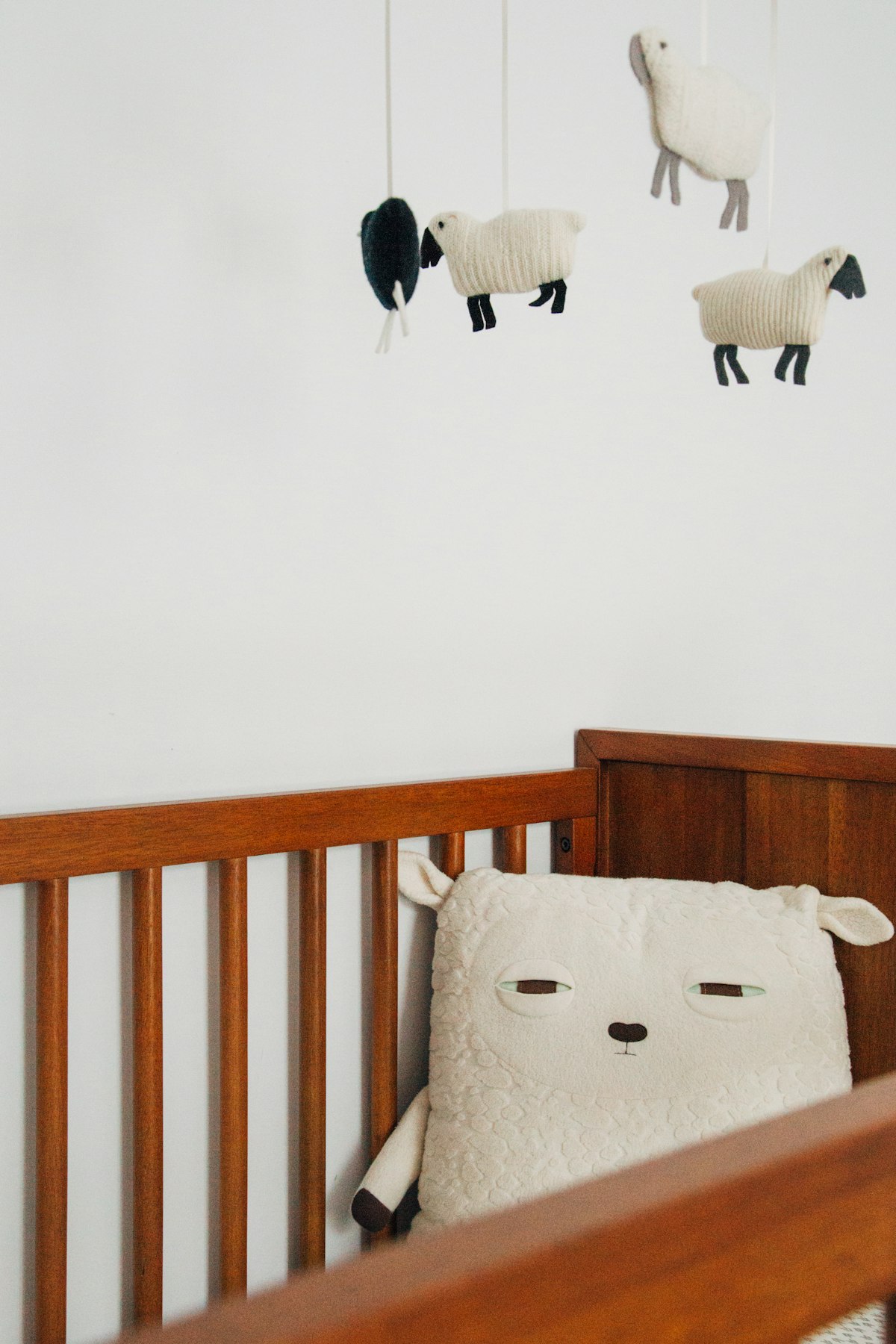
Baby equipment has a strange shape to its life. It is used constantly for a few months, then not at all — and it is expensive. That makes preparing for a baby on a budget less about going without and more about timing: finding the family that has just finished with exactly what you need.
This guide is for anyone preparing for a baby in Ghana who wants to spend less without cutting corners. It covers what a new baby actually needs, what can wait, what families pass on to each other, and the few things worth buying new.
Used briefly, kept forever
A cot is needed for a year or two. A pram for a couple of years. Newborn clothes for a few weeks. Then these things sit in a spare room, because throwing them out feels wasteful and selling them is more effort than it is worth.
Somewhere nearby, another family is expecting and about to buy all of it new. The timing lines up almost perfectly: one family finishes with baby things exactly as another begins.
What a new baby actually needs
The list of things you could buy is endless. The list of things you need in the first few months is much shorter.
Sleeping
- A cot, crib or bassinet
- A firm, flat mattress that fits it snugly
- Fitted sheets and light cotton wraps
- A mosquito net sized for the cot
Clothing
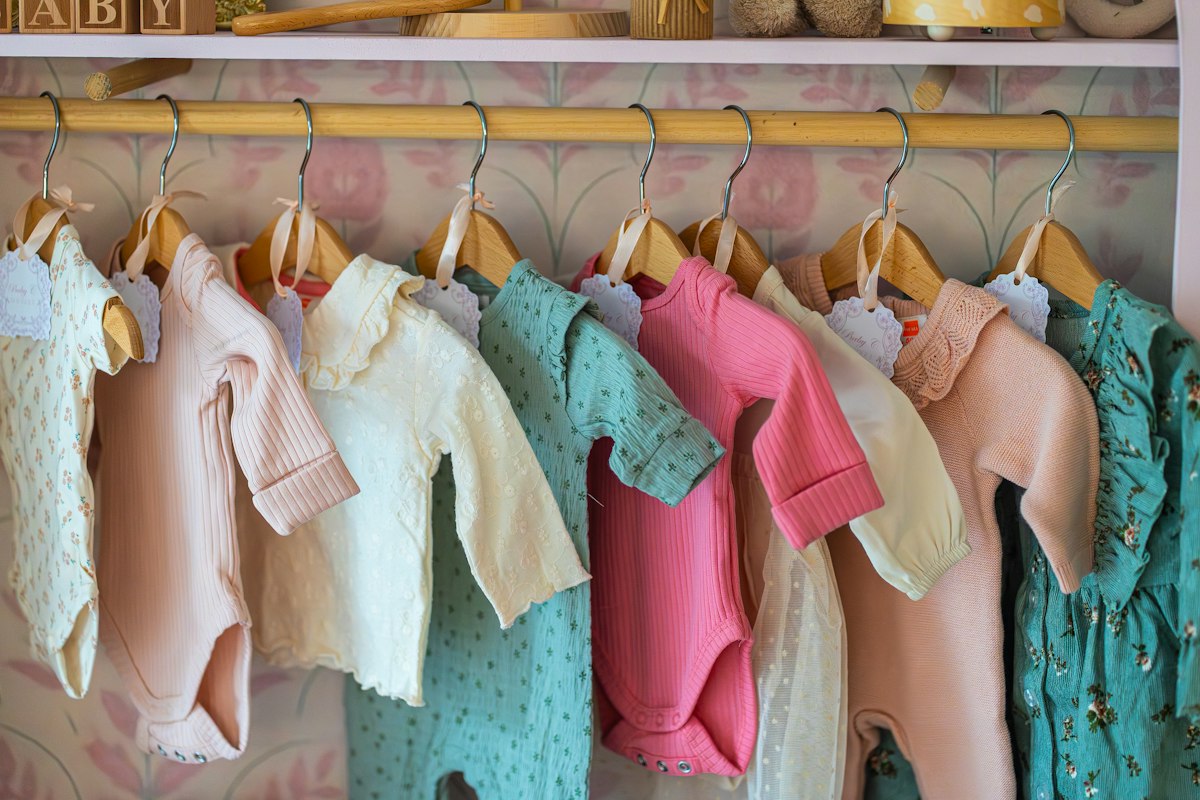
- Bodysuits and sleepsuits in newborn and 0–3 month sizes
- A few hats and pairs of socks
- Wrappers and receiving blankets
Babies grow out of newborn sizes very quickly. Do not buy many.
Feeding
- If you are formula feeding: bottles, teats, a steriliser or a large pot for boiling, and formula
- Burp cloths or small towels
- If you are breastfeeding: nursing bras and breast pads
Nappies and bathing
- Nappies, disposable or cloth
- Wipes or cotton wool, and nappy cream
- A baby bath or a large basin
- Soft towels and mild baby soap
Getting around
- A baby carrier or wrap — many parents in Ghana back their babies with a cloth, which costs almost nothing
- A pram or pushchair, if it suits your roads and routine
- A car seat, if you travel by car
What can wait
Plenty of things marketed for newborns are not needed for months, or at all:
- High chairs, which are not needed until your baby starts solid food
- Baby walkers and bouncers
- Large quantities of toys
- Most gadgets
Waiting also gives you time to find them second-hand.
What families pass on
These are the things most often passed from one family to the next, and where you will save the most:
- Clothes, in every size
- Cots and cribs
- Prams and pushchairs
- Baby baths
- Carriers and wraps
- Toys and books
Our guide to second-hand baby items explains exactly what to check on each of these before you use them.
What to buy new
A handful of items are better bought new: a car seat, unless you know its full history and it is within the expiry date printed on it; a cot mattress, because it should be firm and flat; bottle teats and dummies; and a personal breast pump, which is designed for one user only. The second-hand baby items guide explains why.
When to start
The third trimester is a good time to start gathering things — early enough to collect without rushing, late enough that you know what you need. Many hospitals give expectant mothers a list of things to bring for the delivery, so ask for it early and plan around it.
Tell family, friends and your church what you are looking for. And look on Givny, where parents list baby clothes, cots, prams and toys, often bundled by age.
Passing it on
When your baby moves on to the next size, pass the things you no longer need to someone else. It keeps the cycle going — and someone nearby is always expecting.
Frequently asked questions
How can I prepare for a baby on a budget in Ghana?
Focus on what a newborn actually needs, wait on the rest, and get as much as you can second-hand from family, friends and platforms like Givny. Buy only the few safety-critical items new.
What baby items should I buy new?
A car seat, unless you know its full history; a cot mattress; bottle teats and dummies; and a personal breast pump.
How many newborn clothes do I need?
Fewer than you think. Babies outgrow newborn sizes within weeks. A small set of bodysuits and sleepsuits, washed often, is usually enough.
When should I start getting baby things?
The third trimester is a good time to start, so you can collect second-hand items without rushing.
Expecting soon, or finished with the baby stage? See what parents near you are giving away, or pass on what your baby has outgrown.
How did this land?
1 reader has reacted


Join the conversation
Sign in to comment. Real names keep this place civil.