


How to declutter your home: a room-by-room guide
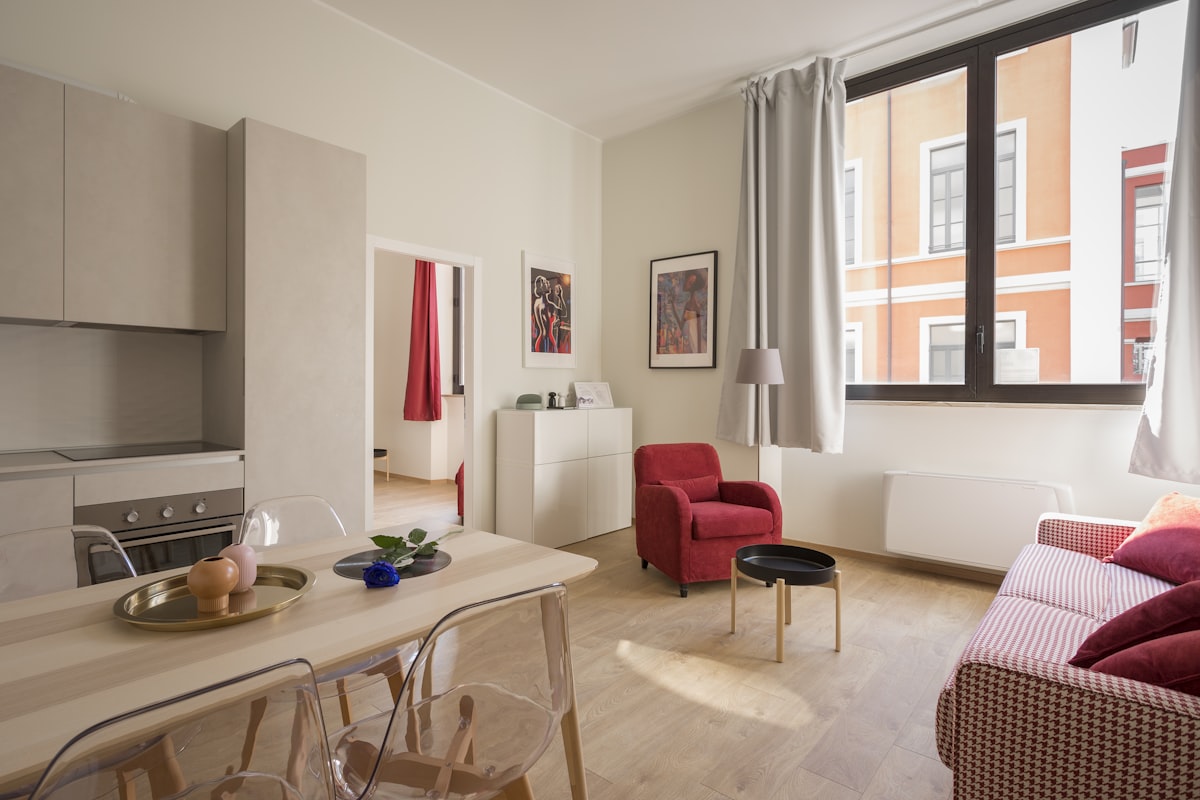
Every home has a room, a cupboard or a corner where things go to be forgotten. The broken fan. The extra plastic chairs. The carton of "might need it one day". The flasks from several different occasions, and the stack of souvenir mugs from weddings and funerals.
Decluttering is not about owning as little as possible. It is about keeping what you use and love, and letting the rest go to someone who will use it. This guide is a realistic, room-by-room way to declutter your home, with a plan for where everything goes afterwards.
Before you start: decide where things will go
Most decluttering fails at the end, not the beginning. The "give away" bag sits in the corridor for months because there was never a plan for it.
Before you touch anything, set up four boxes or bags:
- Keep — things you use, need or love
- Give away — useful things you no longer need
- Sell — things with real value that you have time to sell
- Recycle or bin — things nobody can use
And decide now how the "give away" box will leave the house. On Givny, people nearby request what you list and come to collect it, so it does not sit in your corridor.
Start small
Do not try to declutter the whole house in a day. Pick one drawer, one shelf or one cupboard, and give it fifteen minutes. Finishing something small builds the momentum to carry on.
A useful question for every item: have I used this in the last year, and would I buy it again today? If the answer to both is no, it can probably go.
Room by room
The wardrobe
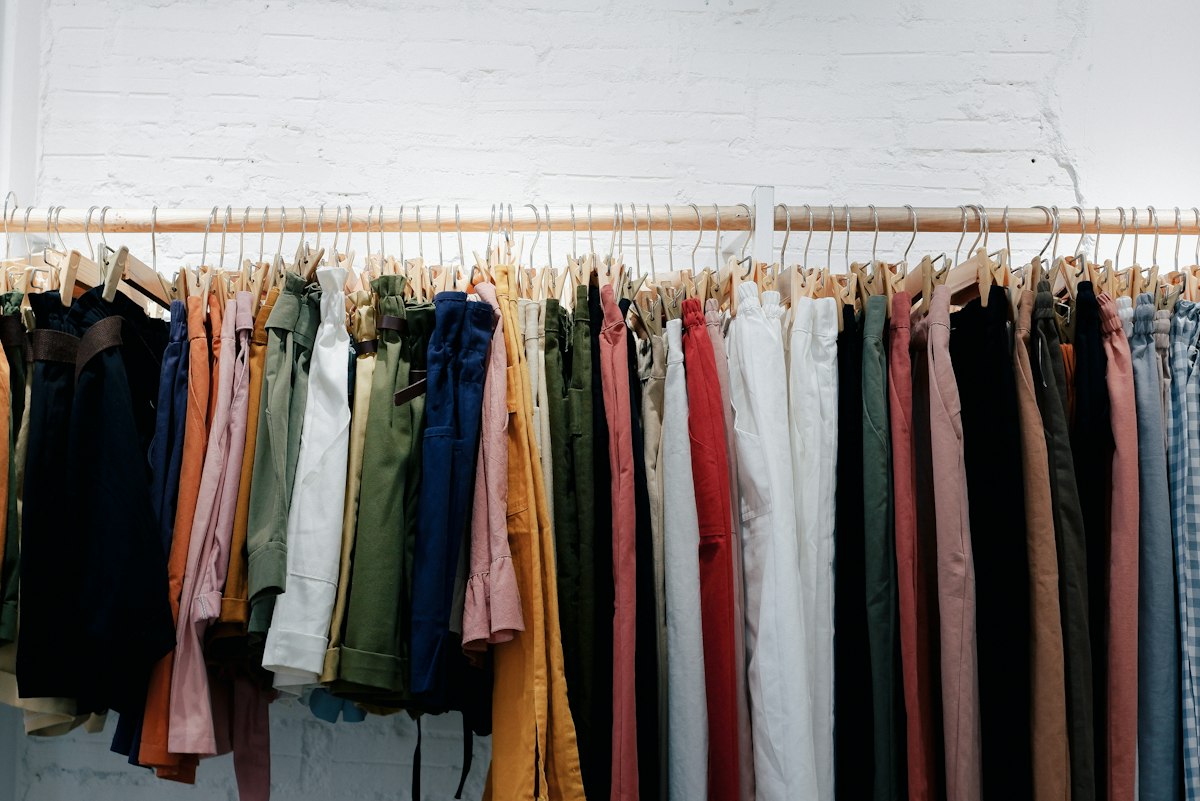
- Take out everything you have not worn in a year.
- Keep the occasion clothes you genuinely wear — the kaba, the kente and the funeral cloth — and let go of the ones that no longer fit.
- Pair shoes and give away the ones you never reach for.
Our guide on how to donate clothes in Accra covers what is worth giving and how to prepare it.
The kitchen
Kitchens collect duplicates.
- Flasks and food containers. Keep the ones you use; containers without lids can go.
- Souvenir mugs, plates and cups from weddings, funerals and events. Keep one or two that mean something.
- Chipped plates and damaged pots.
- Appliances you never use — the second blender, the sandwich maker, the juicer.
- Expired spices and food.
The store room
This is where the real work is.
- Broken appliances. Get them repaired, or dispose of them properly. Our guide on what to do with old electronics explains how.
- Leftover paint, tiles and building materials. Someone doing their own building or repairs will often be glad of them.
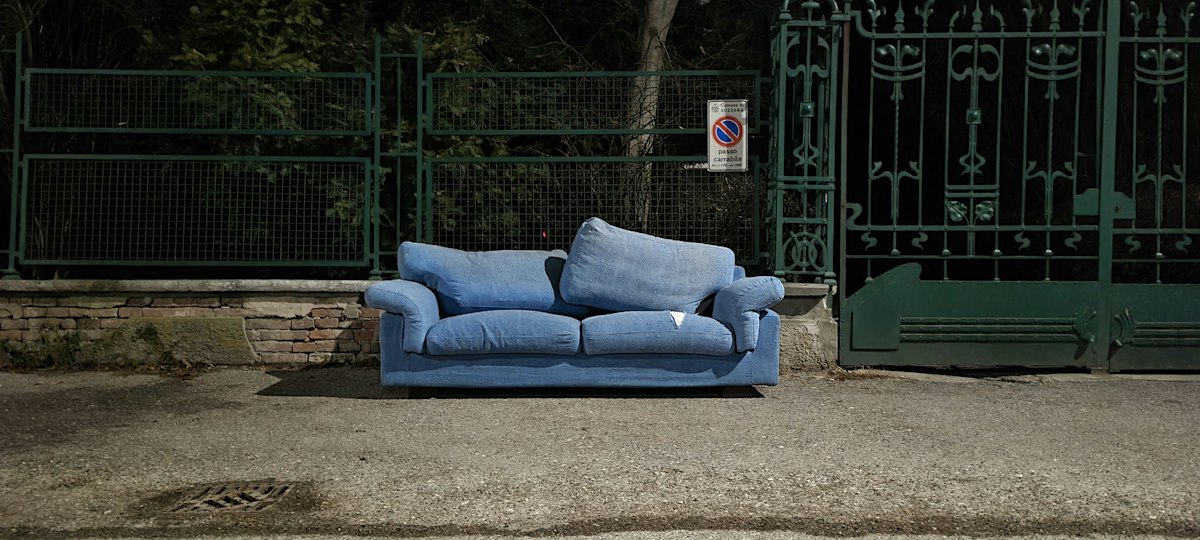
- Furniture waiting to be fixed. Be honest about whether it ever will be. Our guide on how to donate furniture covers the rest.
- Boxes of things you have not opened since you moved in.
Children's rooms
- Outgrown clothes and shoes. Children grow out of these constantly, so they are easy to pass on.
- Toys. Involve children in choosing what to give away. It teaches generosity, and they are more likely to accept it.
- Baby equipment. Our guide to second-hand baby items explains what is safe to pass on.
Paperwork
- Keep: certificates, land and property documents, passports, your Ghana Card, and anything with legal or financial weight.
- Shred or burn: old bills, bank statements and anything else with personal information.
- Give away: books you have finished with. See our guide on how to donate books in Ghana.
What to do with everything you clear out
- Give it away. The fastest route for most everyday items. List it on Givny and let people nearby collect it.
- Sell it. For the few things with real resale value.
- Repair it. A surprising amount of "broken" stuff needs an hour's work. Ghana has a strong repair habit worth using.
- Recycle or dispose of it properly. Only what truly cannot be reused.
Keeping your home clear
- One in, one out. When something new comes in, something old goes.
- Keep a "give away" bag somewhere visible, and add to it whenever you notice something you do not use.
- Do a small clear-out twice a year rather than one huge one every few years.
Frequently asked questions
Where do I start decluttering when I feel overwhelmed?
Start with one small space, such as a single drawer, and spend fifteen minutes on it. Small wins build momentum. Leave sentimental items until last.
What should I do with things I have decluttered?
Give away what is useful, sell what has real value, repair what can be fixed, and recycle or dispose of the rest properly.
How often should I declutter my home?
A small clear-out twice a year is usually enough to stop clutter building up again, alongside a "one in, one out" habit.
How do I declutter sentimental items?
Keep a few pieces that mean the most, and consider photographing others before you let them go. Passing something on to a person who will use it can make it easier to part with.
Decluttering this weekend? List what you're clearing out on Givny, and it will go to people nearby who need it.
How did this land?
Join the conversation
Sign in to comment. Real names keep this place civil.