
Our Partners & Supporters


Journal
Notes on second-hand things, sustainability, and the neighbours passing them on.

A realistic, room-by-room way to declutter, with a plan for where everything goes once it leaves your home.
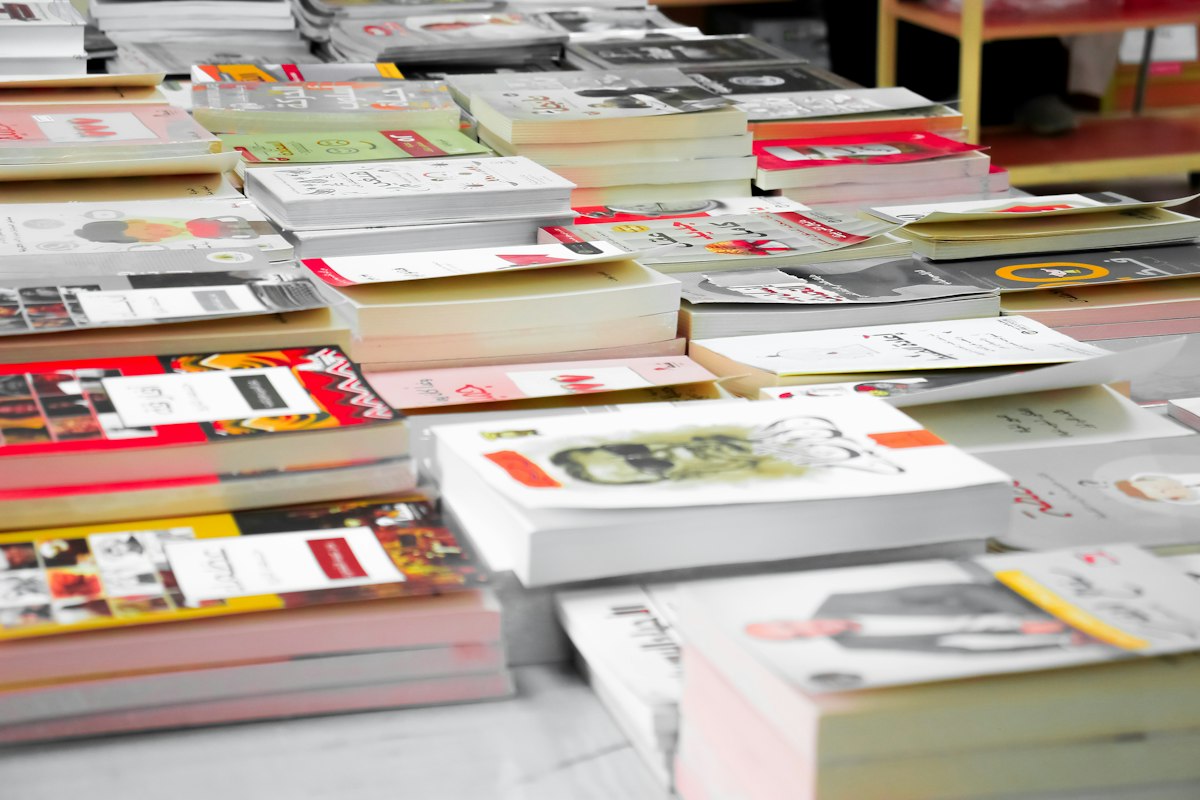
Which books are most wanted, where schools and community libraries can use them, and how to check a textbook is still current.
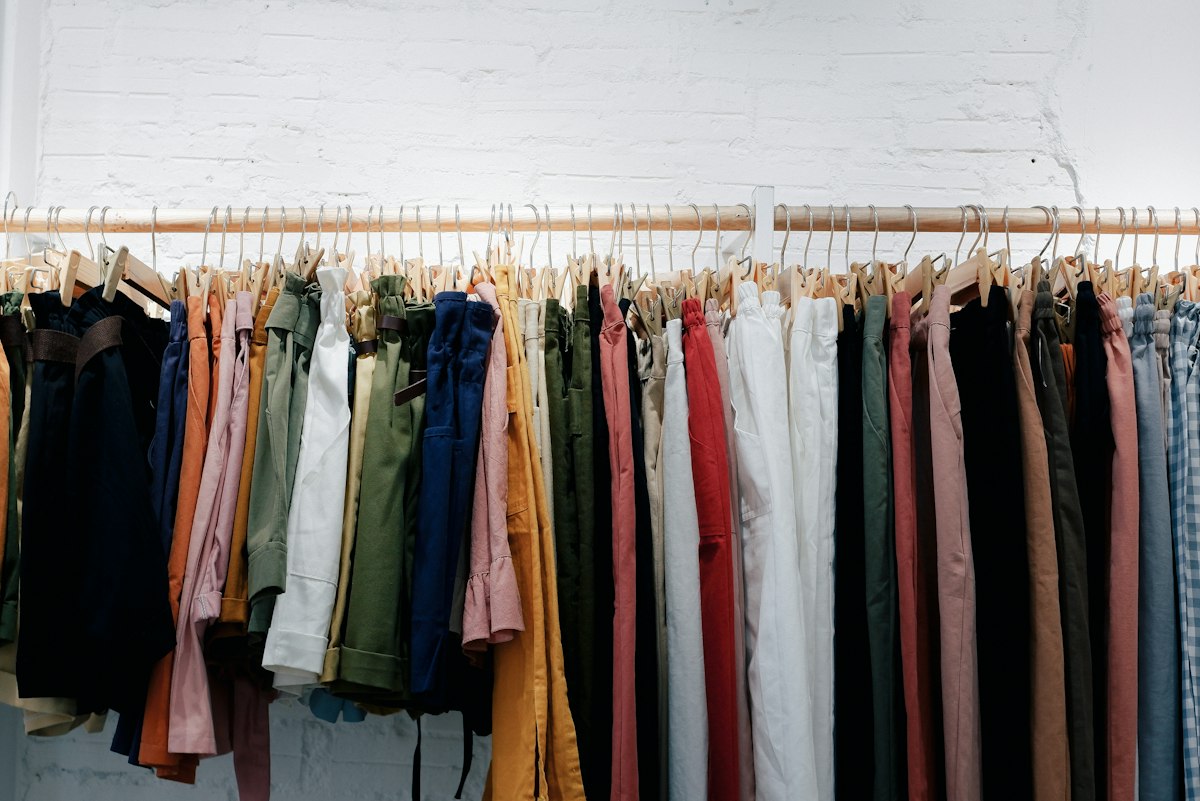
Where to donate clothes in Accra, what to give and what to keep back, and how to make sure your donation is worn rather than dumped.
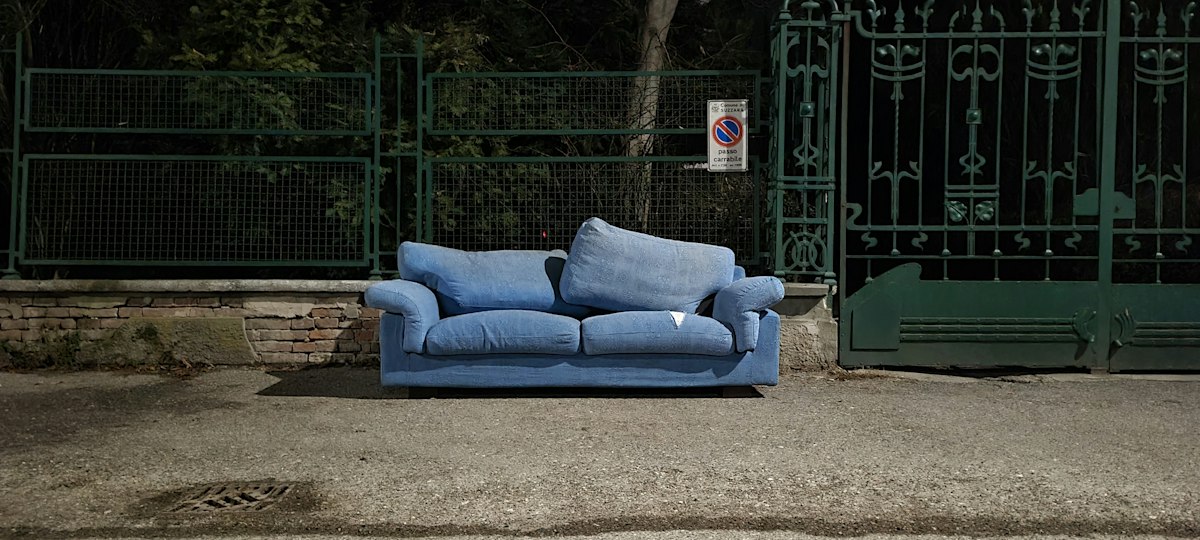
Furniture is the hardest thing to give away. Who takes it, how to list it so it goes quickly, and how to solve the transport problem.

What children's homes in Ghana commonly need, what they already have too much of, and how to check a home is legitimate before you give.

How to wipe your data, where to pass on or repair old devices, and how to dispose of electronic waste safely in Ghana.
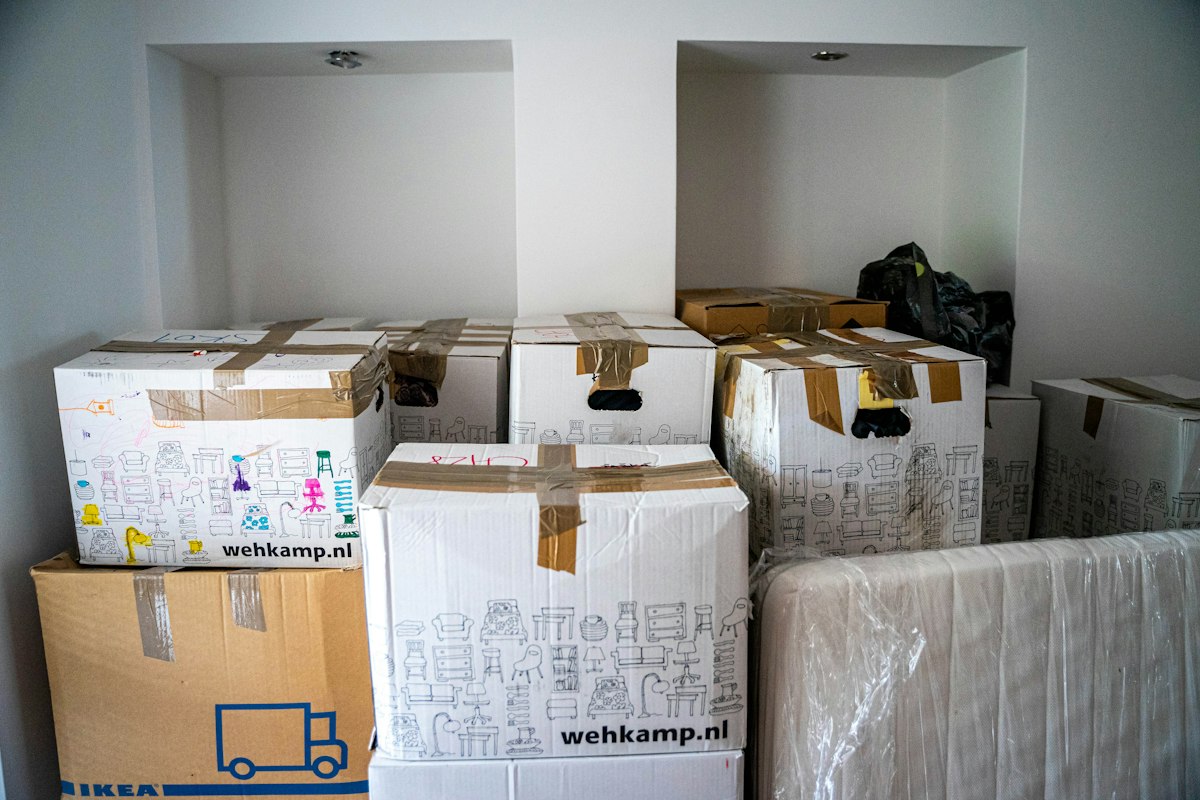
A week-by-week plan for what to take, sell, give away and leave behind when you relocate abroad from Ghana.
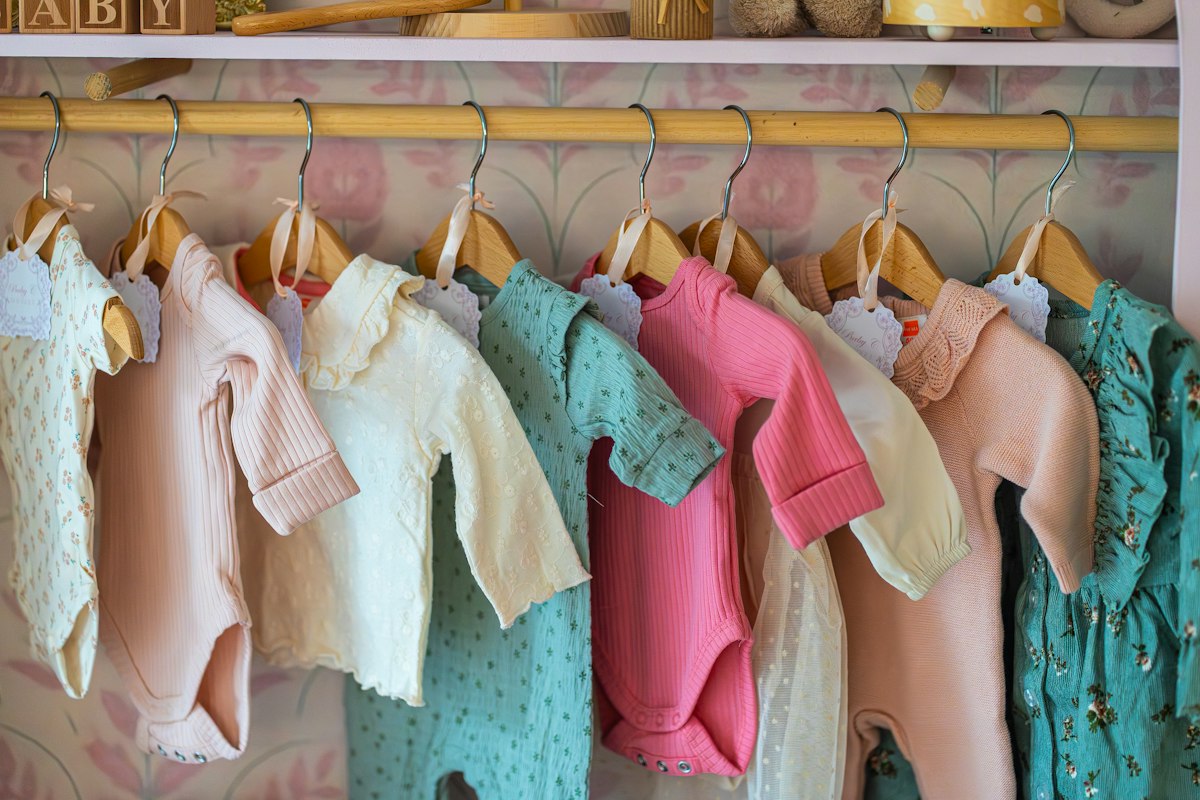
Most baby things are safe to reuse. A few carry real risks. Which to get second-hand, which to check, and which to buy new.

Where to meet, what to bring, and the mobile money and delivery-fee scams to watch for when meeting someone from a listing.
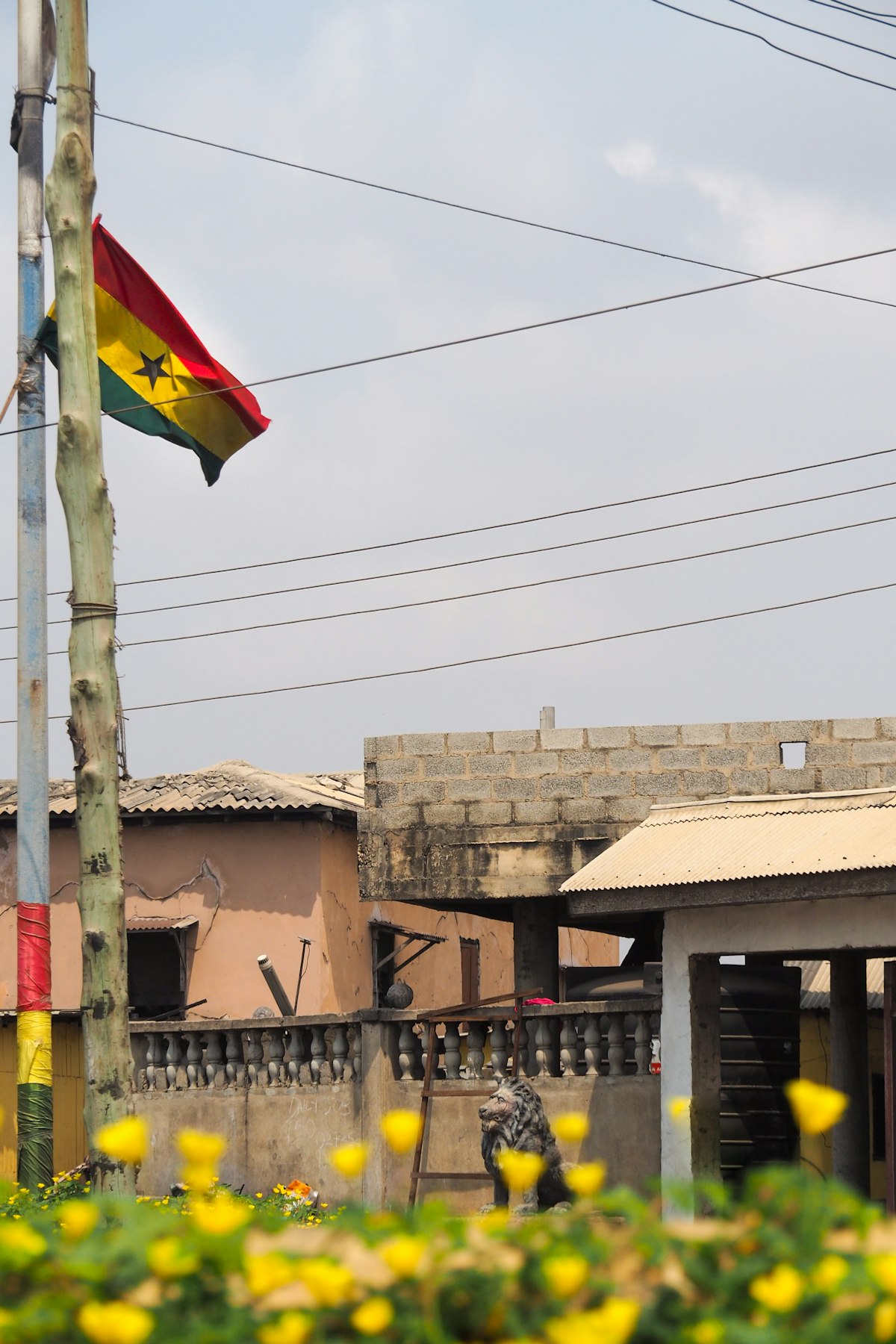
Free things are everywhere in Ghana; they just are not advertised. Where to look, how to ask, and how to spot the scams.
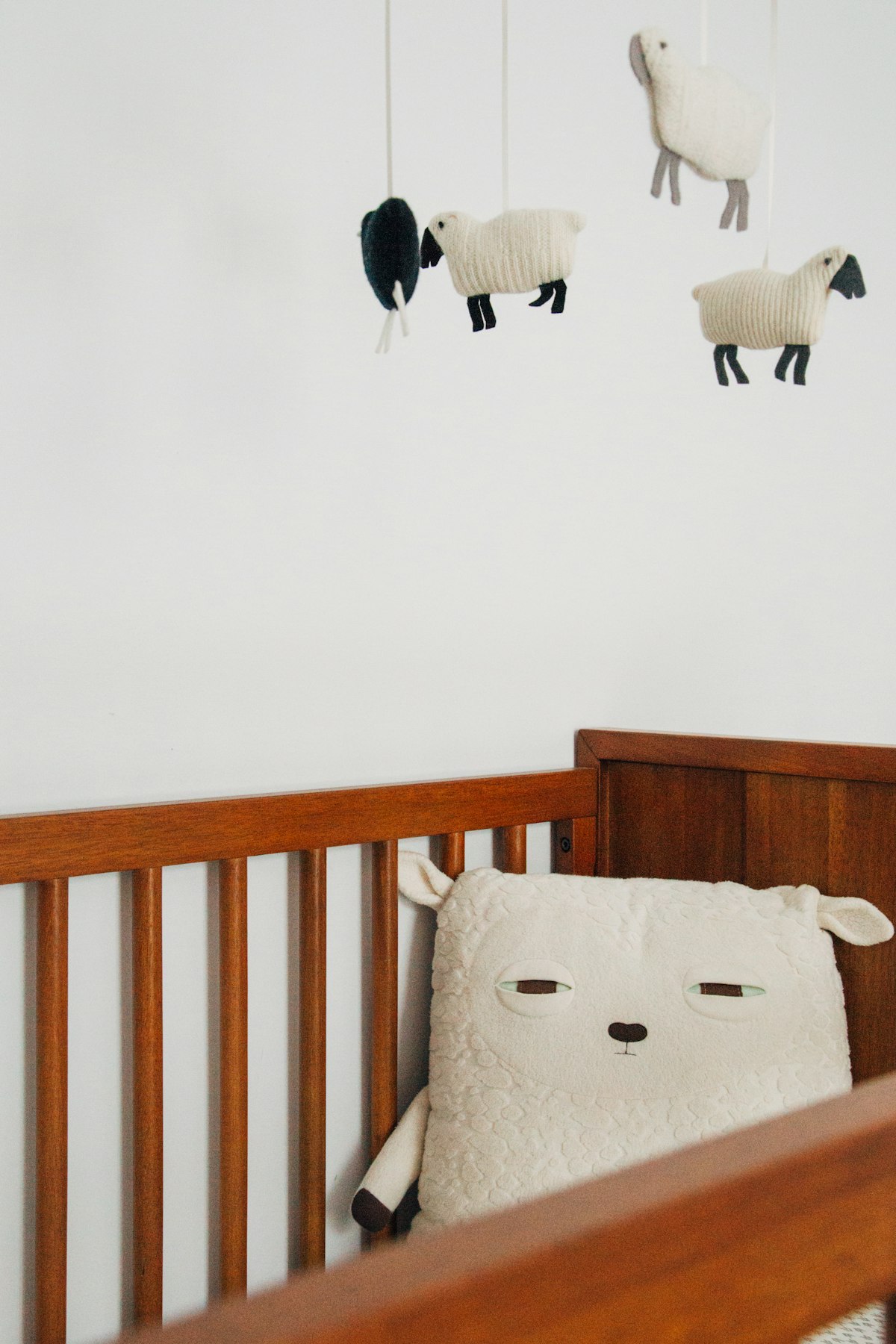
What a newborn actually needs, what can wait, and how to get most of it second-hand from families who have just finished with it.
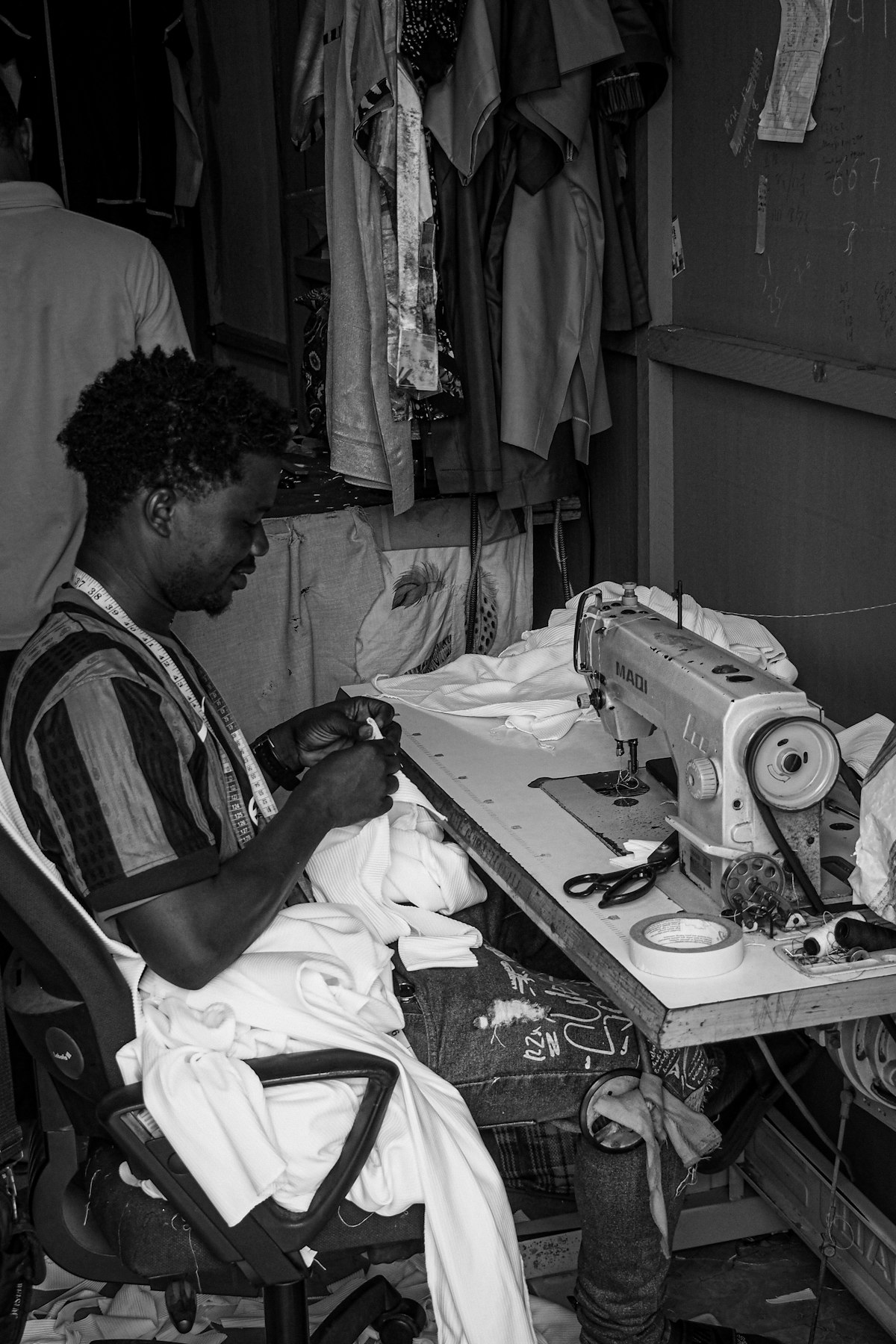
Ghana never lost the habit of fixing things. What is worth repairing, who does the work, and how to get a fair job.
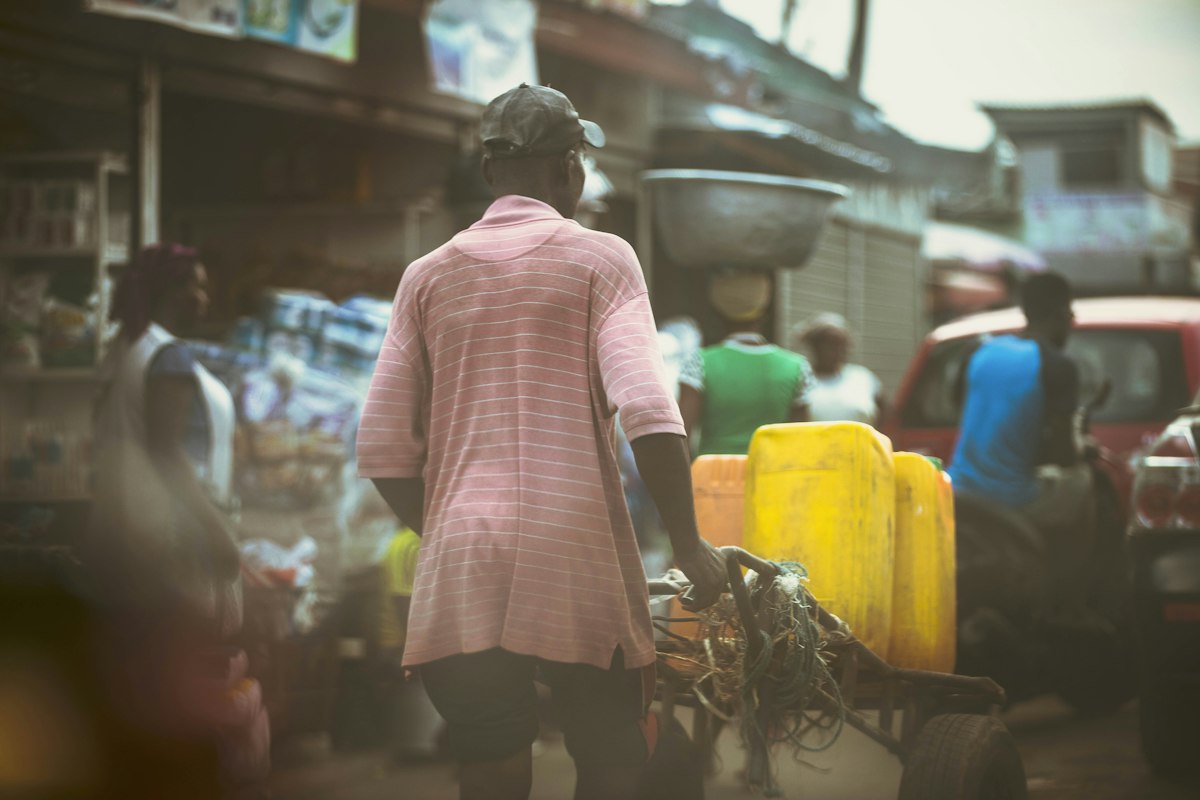
Much of what leaves an Accra household still works. Where it goes, and practical ways to throw away less.

A week-by-week checklist for moving house in Ghana, and how to give away what won't fit instead of leaving it behind.
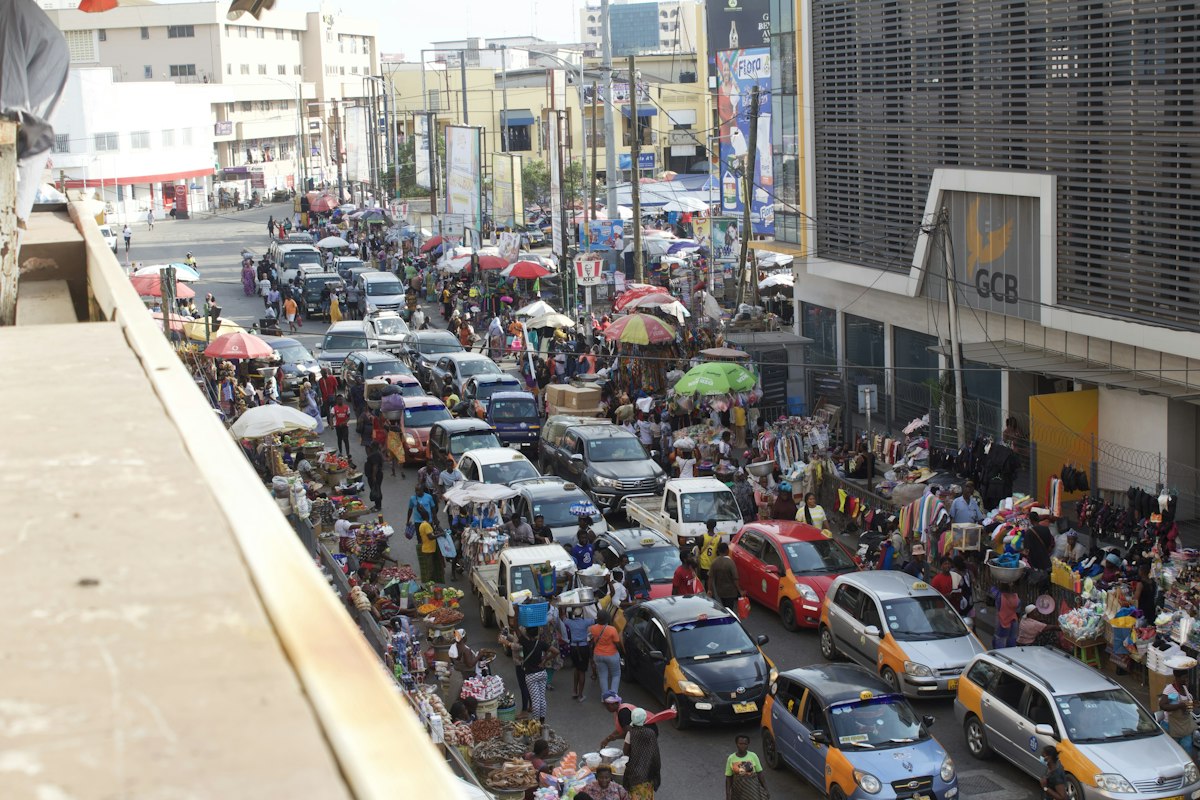
How Kantamanto and Makola built one of the world's great second-hand economies, and the part no market can profitably serve.

A hostel essentials checklist for new students, what is worth buying new, and how to get the rest from students who are leaving.