


How to donate to an orphanage in Ghana: what children's homes actually need

Birthdays, Christmas, Eid, anniversaries: many Ghanaians mark special days by visiting a children's home with bags of rice, drinks and gifts. It is a generous tradition. It also means homes are often given the same things that everybody brings, while running short of what they actually need.
This guide covers how to donate to an orphanage or children's home in Ghana in a way that genuinely helps: what to ask before you go, what homes commonly need, how to check that a home is legitimate, and how to visit respectfully.
Call before you go
The single most useful thing you can do is phone the home first. Ask three questions:
- What do you need right now?
- Is there anything you have too much of?
- When is a good time to come, and how long should we stay?
Homes rarely turn away a gift, so without asking you may find they already have a store room full of exactly what you brought.
What children's homes commonly need
Needs differ from home to home and month to month, which is why the phone call matters. These come up again and again.
School costs and supplies
Education is often the largest ongoing cost. Useful gifts include:
- School uniforms and school shoes
- Exercise books, pens, pencils and mathematical sets
- School bags
- Payment of school fees, made directly to the school
Everyday essentials
- Soap, toothpaste, toothbrushes and body cream
- Sanitary pads for older girls — often overlooked, always needed
- Detergent and cleaning supplies
- Bedsheets, towels and mosquito nets
Food, in quantity
Staples such as rice, oil, gari and beans are usually welcome. Check first how much the home can store, because perishable food in large amounts can spoil before it is used.
Time and skills
Homework help, reading with younger children, teaching a skill, or fixing a leaking tap can be worth more than another carton of drinks. Ask what would help.
What homes often have too much of
- Soft drinks and biscuits. Almost every visitor brings them.
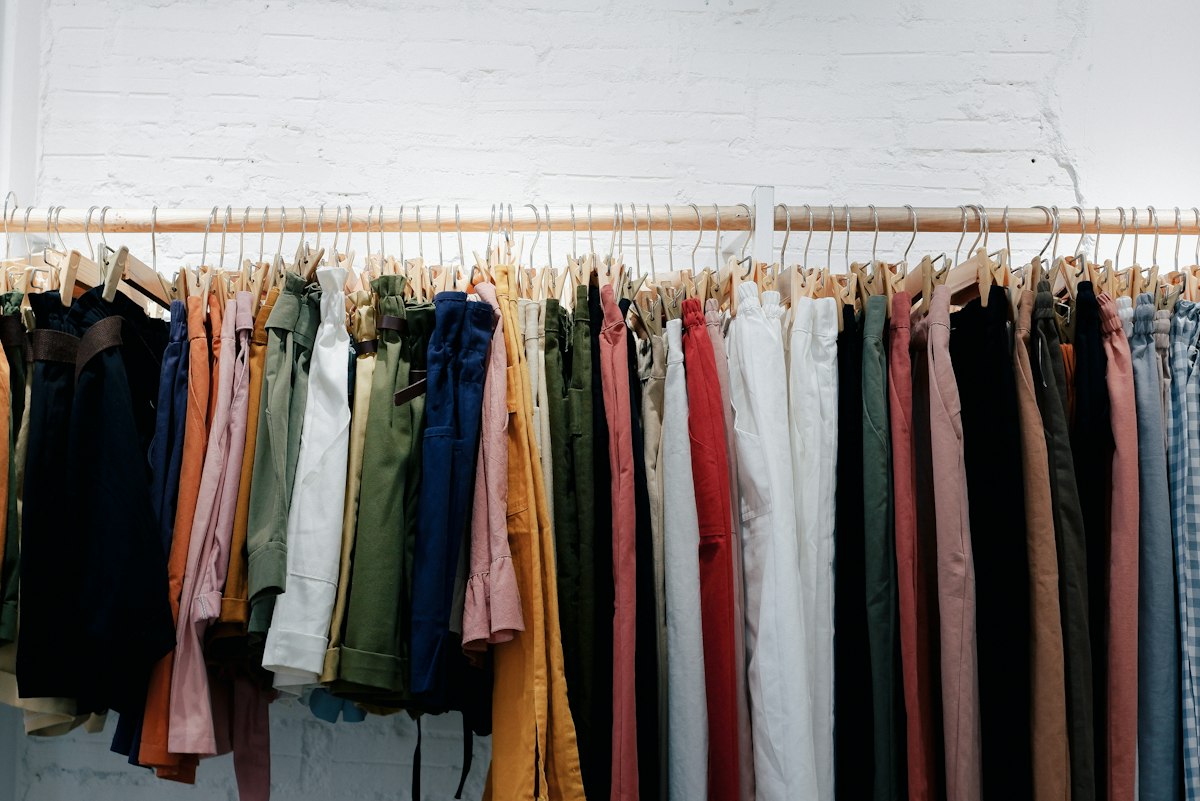
- Used clothes in poor condition. These cost the home time to sort and dispose of.
- Toys that break quickly.
Our guide on how to donate clothes in Accra covers what is worth giving and how to prepare it.
Check that the home is legitimate
Most children's homes are run by people doing difficult work with very little. A few are not. It is reasonable to check before you give.
- Ask whether the home is licensed by the Department of Social Welfare, and ask to see the licence.
- Ask who manages donations and how they are used.
- Be cautious of pressure. A home that pushes hard for cash, or that seems more interested in visitors taking photos than in what the children need, deserves a second look.
- Pay costs directly where you can. Paying school fees to the school, or buying the supplies yourself, means you know exactly where the money went.
It also helps to know that Ghana's social welfare policy increasingly favours keeping children in family-based care where it is safe to do so. Organisations that support struggling families to keep children at home are doing important work too, and are worth considering alongside residential homes.
Visit respectfully
- Do not photograph children for social media. They have a right to privacy, and many have difficult histories. If you want a record of your visit, photograph the gifts, or ask staff about their policy first.
- Follow the staff's guidance on where to go and how long to stay.
- Do not promise to come back unless you mean to. Children notice.
- Keep the focus on the children, not on the occasion you are celebrating.
Giving that lasts beyond one visit
A single visit is welcome. Regular support changes more.
- Sponsor one child's school fees for a full year.
- Commit to a monthly supply of something the home always needs, such as soap or sanitary pads.
- Organise a collection at your church, office or estate, based on a list the home gives you.
How Givny fits in
Children's homes, schools and community groups can use Givny to request furniture, clothes, books and household items that people nearby are giving away. If you run or support a home, it is a straightforward way to find what you need. Organisations can also set up their own storefront.
Frequently asked questions
Can I donate used clothes to an orphanage in Ghana?
Often, yes, but call first. Many homes have more used clothing than they can use. Clean, good-condition children's clothes in the right sizes, and school uniforms, are the most likely to be wanted.
Is it better to give money or items?
It depends on the home. Items are easy to verify. Money is more flexible but needs more trust. A good middle ground is paying a specific cost directly, such as school fees or a supplier's invoice.
How do I know if an orphanage in Ghana is registered?
Ask the home whether it is licensed by the Department of Social Welfare and ask to see the licence. You can also contact the Department of Social Welfare office in the district where the home is located.
Can I visit a children's home on my birthday?
Many homes welcome visitors, but always arrange it in advance, keep the visit short, bring what the home has asked for, and do not take photos of the children for social media.
Clearing out clothes, books or furniture? List them on Givny, where homes, schools and families nearby can request what they need.
How did this land?
Join the conversation
Sign in to comment. Real names keep this place civil.