


Before you throw it away: what can be repaired in Ghana, and who fixes it
In a lot of places, repair is having a revival. People are relearning something their grandparents did without thinking.
Ghana never stopped. There is someone who mends shoes near most junctions, someone who fixes fridges, someone who can bring a radio back to life, and a tailor on almost every street. Before you throw something away, it is worth asking whether it can be repaired — and in Ghana, the answer is yes far more often than elsewhere.
This guide covers what is usually worth repairing in Ghana, who does the work, how to get a fair job, and when it makes more sense to pass something on instead.
Who fixes what
Cobblers: shoes, bags and belts
Cobblers can resole shoes, replace heels, stitch split seams, fix broken straps and replace zips on bags. Good leather shoes can be resoled several times, so they are almost always worth taking to a cobbler rather than replacing.
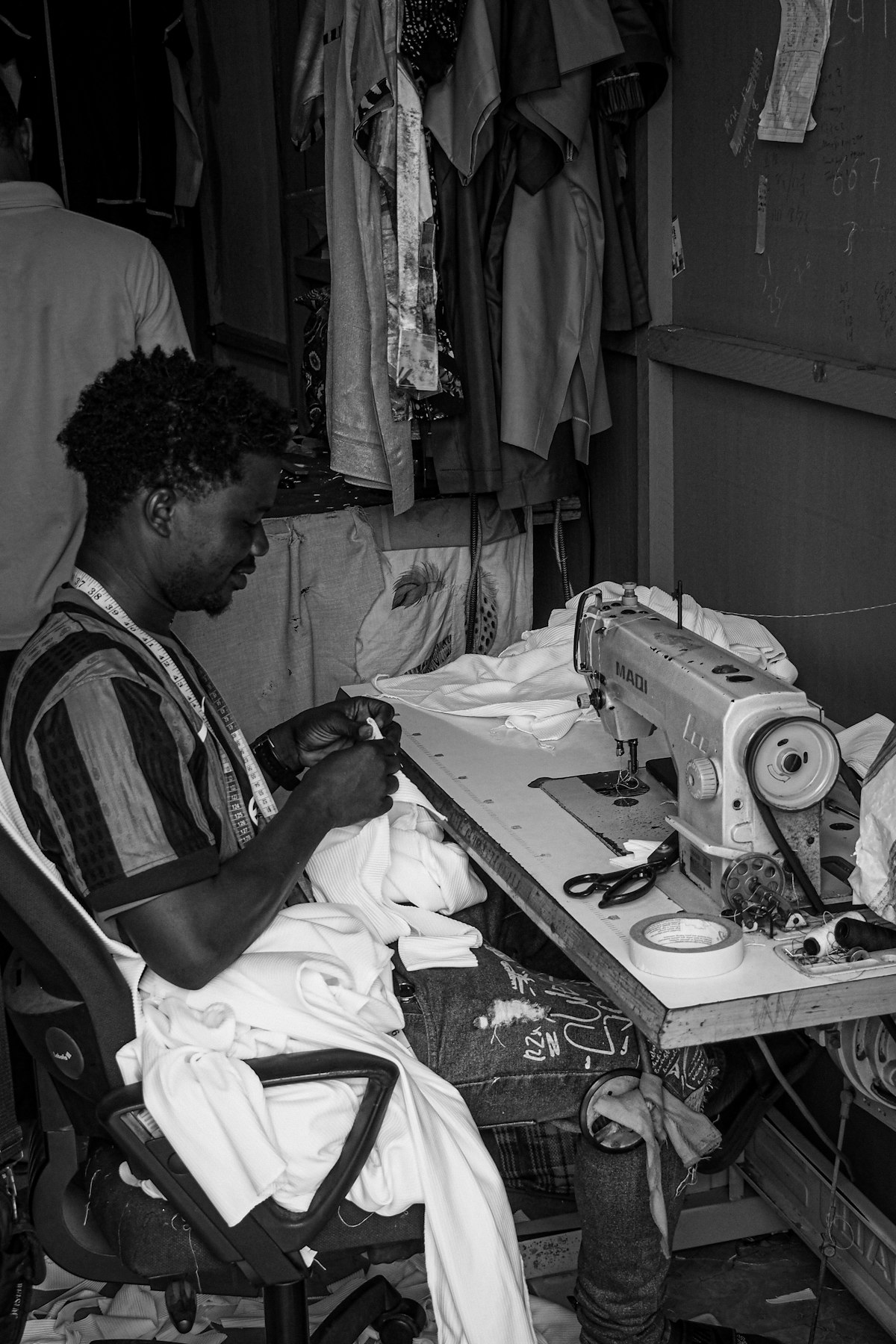
Tailors and seamstresses: clothes
Tailors can take in or let out clothes, replace zips, fix hems, mend tears and patch worn areas. They can also remake clothes entirely — turning an old dress into a skirt, or a shirt that no longer fits into something that does. A tailor is often the cheapest way to get a whole new wardrobe out of an old one.
Appliance repairers: fans, irons, blenders and kettles
Many small appliance faults are simple. A fan that hums but does not spin often needs a new capacitor. An iron or kettle that stops heating may need a new element or thermostat. These are usually quick, inexpensive jobs.
Fridge and air conditioner technicians
Fridges and freezers that stop cooling often need a gas refill, a new thermostat or a new relay rather than replacement. Get a diagnosis before you decide — a new fridge costs far more than most repairs.
Phone and laptop repairers
Cracked screens, dead batteries, broken charging ports and faulty keyboards are all routinely repaired. Kwame Nkrumah Circle in Accra is well known for electronics repair and parts, and there are repairers in every town. Before you hand over a device, read our guide on wiping your data safely.
Carpenters: furniture
Wobbly chairs, broken drawers, loose hinges, and tables that need re-varnishing are everyday carpentry jobs. Solid wood furniture can be repaired and refinished almost indefinitely.
When repair is worth it, and when it is not
Repair is usually worth it when:
- The item is good quality to begin with
- The fault is a single part rather than general wear
- The repair costs well under the price of a replacement
- The item matters to you
It is often not worth it when:
- Parts are no longer available
- The item is cheaply made and the repair costs almost as much as a new one
- The fault is a safety risk, such as damaged wiring, scorch marks or a swollen battery
How to get a fair repair
- Ask for a diagnosis first. Know what is wrong before you agree to anything.
- Agree the price before the work starts, not after.
- Ask for the old part back. It is a simple way to confirm the part was actually replaced.
- Remove your data from phones and laptops before handing them over.
- Ask how long the repair should last, and whether the repairer will look at it again if the same fault returns.
Repair and giving are the same instinct
Both start from the same assumption: that a thing has more life in it than its current owner needs.
That is why the most useful thing anyone can do when giving something away is describe the fault honestly. "The zip is broken" turns a disappointment into a decision. Quite often, the person who takes a broken item is exactly the person who can mend it — a tailor who wants the fabric, a carpenter who wants the wood, a student who knows how to replace a capacitor.
On Givny, items that need a small repair are listed alongside everything else. A fan that needs a capacitor is not rubbish. It is a small job for the right person.
Frequently asked questions
Is it worth repairing a standing fan?
Usually, yes. Common faults, such as a failed capacitor or a worn switch, are quick and inexpensive to fix. Replace the fan if the motor has burned out or the wiring is damaged.
Can old shoes be repaired in Ghana?
Yes. Cobblers can resole shoes, replace heels and stitch seams. Good-quality leather shoes are almost always worth repairing.
How do I find a reliable repairer?
Ask neighbours and friends who they use, ask for a diagnosis and a price before work starts, and ask for the old part back when a part is replaced.
Should I give away something that is broken?
Yes, if you describe the fault honestly. Someone who can fix it may be glad to have it. Our guide on how to declutter your home covers what to do with the rest.
Have something that needs a small repair? List it on Givny, say what is wrong, and let someone who can fix it put it back to use.
How did this land?



Join the conversation
Sign in to comment. Real names keep this place civil.