

What Accra throws away, and how to throw away less
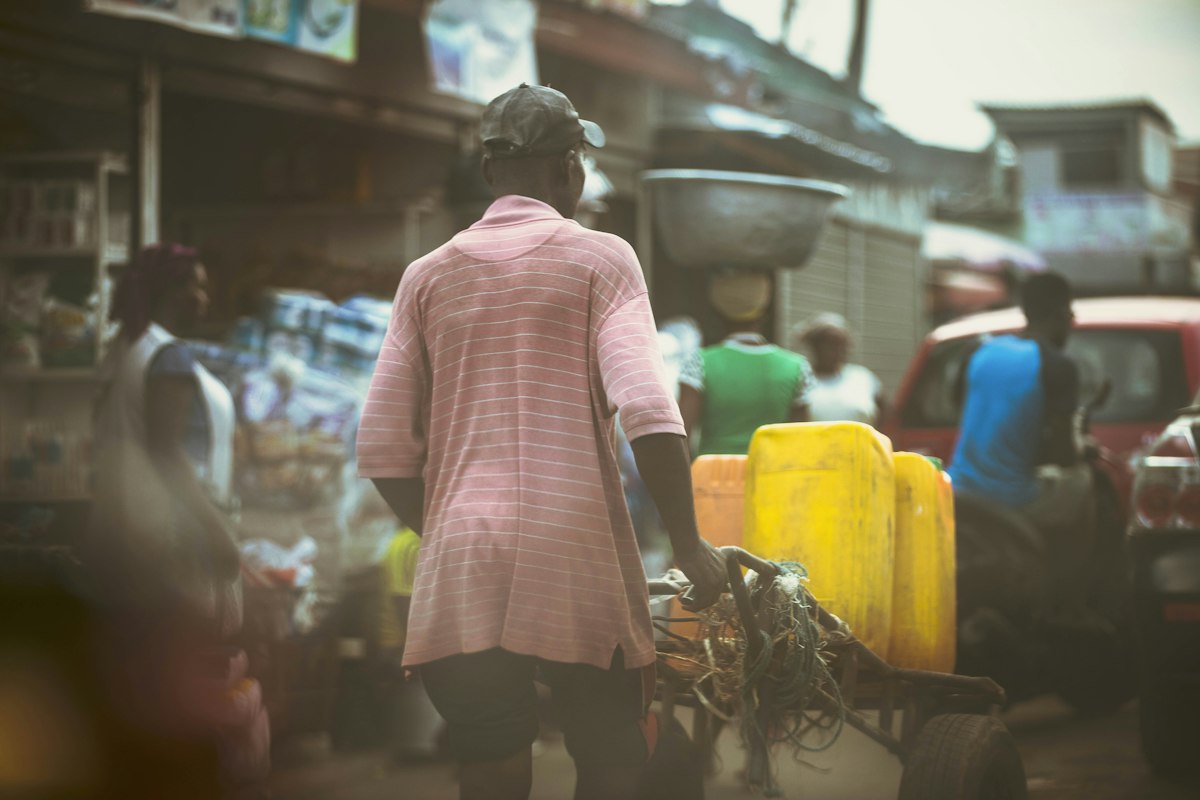
Look at what leaves a household in Accra at the end of a month. Very little of it is broken.
There is a bed frame that no longer fits the room. A pushchair for a child who now walks. A second kettle from a wedding. A set of curtains for windows the family no longer has. Alongside the food scraps and the "pure water" sachets, a surprising amount of household waste in Accra still works.
This post looks at what Accra throws away, where it goes, and practical ways any household can throw away less.
Working things, wrongly placed
The failure is rarely durability. It is matching. Something stops being needed in one house while it is still needed a street away, and there is nothing connecting those two facts. So the working item ends up in the same place as the genuinely broken one.
Where household waste goes
Most household rubbish in Accra is collected by a mix of formal waste companies and informal collectors — the tricycle and handcart collectors who go street to street. From there, much of it ends up at landfill or dumpsites, which have been under pressure around Accra for years.
Some of it never gets that far. It is burned in the open, dumped in drains or left on open ground, where it blocks drains and adds to flooding in the rainy season.
A large share of household waste is food and other organic material. Much of the rest is plastic, especially sachets and bottles, and there is also textile waste, electronics and bulky items like furniture.
Why working things are the real loss
Once something is on the pile, it is gone. Informal collection is not designed to rescue a working fridge or a good bed frame, and landfill does not care whether something still works.
Every item that changes hands directly is one that never reaches the pile — and one household that did not have to buy new.
Practical ways to throw away less at home
Give away what still works
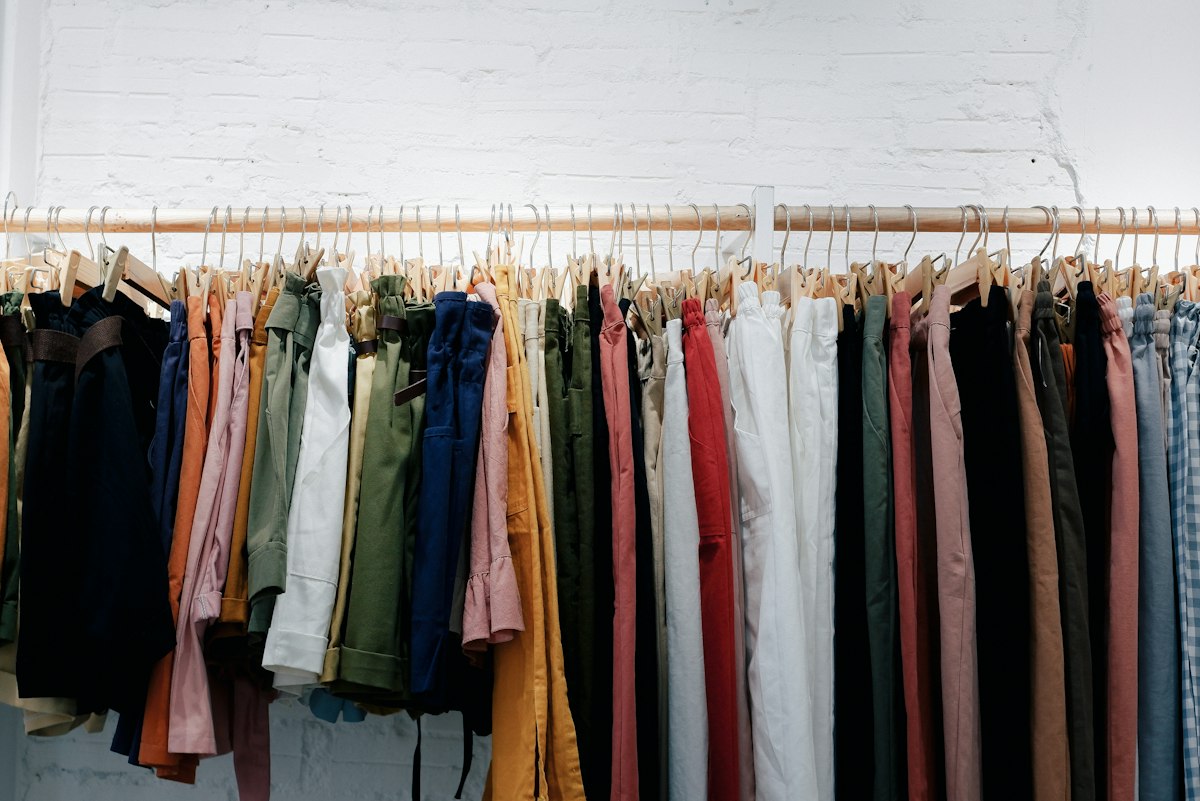
Before anything useful goes in the bin, give it a chance to find a new home. On Givny, people nearby request what you list and come to collect it. Furniture, clothes, electronics and kitchen items all find takers. Our guides on donating furniture and donating clothes cover the details.
Repair before you replace
A fan that stopped spinning, a shoe with a split sole, a chair with a loose leg: most of these are small jobs. Ghana has a strong repair habit worth using.
Separate what can be recycled
Keep plastic bottles, sachets, cans and scrap metal separate from food waste. Informal collectors and recyclers often buy them, and clean, separated materials are far more likely to be recycled than mixed rubbish.
Deal with electronics properly
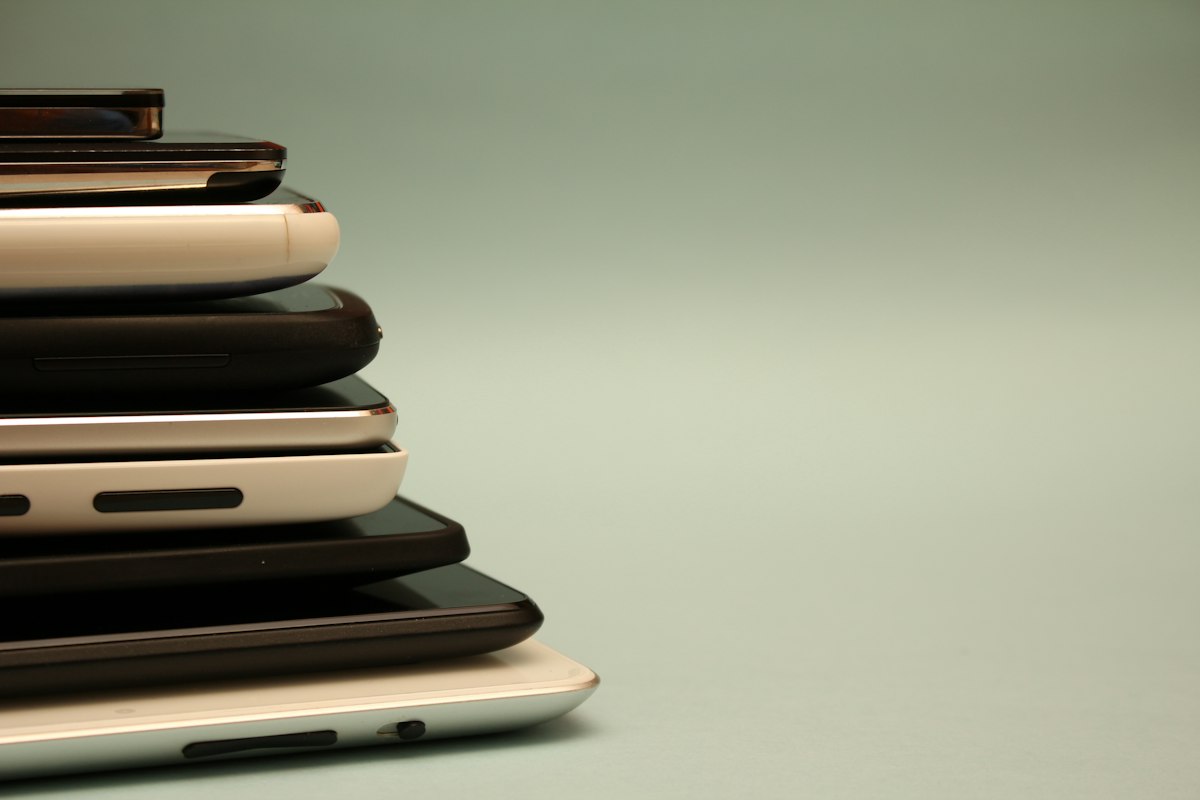
Old phones, batteries and appliances should never be burned or dumped. See our guide on what to do with old electronics in Ghana.
Compost food waste if you have space
If you have a compound or garden, food scraps and leaves can be composted rather than thrown out. It reduces what goes to landfill and gives you soil for plants.
Refuse what you do not need
- Carry your own bag to the market
- Say no to extra plastic bags for small purchases
- Reuse containers for food and storage
- Borrow things you will only use once
Cut down on sachets
If your household drinks a lot of sachet water, a refillable dispenser, or boiled and filtered water kept in reusable bottles, can dramatically reduce the number of sachets you throw away each week. The same goes for drinks bought in single-use bottles.
Clear out regularly, not all at once
The biggest piles of waste come from rushed clear-outs, especially when moving. A small, regular declutter lets you give things away properly. Our room-by-room decluttering guide shows how.
Frequently asked questions
How can I reduce household waste in Accra?
Give away what still works, repair before you replace, separate recyclables such as plastic bottles and cans, compost food waste if you have space, and avoid single-use plastics where you can.
What can I do with things I no longer need?
If they still work, give them away. On Givny, people nearby request and collect items for free. If they are broken, see whether they can be repaired before you throw them out.
Can plastic bottles and sachets be recycled in Ghana?
Many can. Informal collectors and recyclers often buy clean, separated plastic bottles, and some take sachets. Keeping them separate from food waste makes recycling far more likely.
Why is burning rubbish harmful?
Burning plastics, cables and electronics releases toxic smoke that harms the health of people nearby, especially children.
Before something useful goes in the bin, list it on Givny. Someone nearby may need it.
How did this land?
Join the conversation
Sign in to comment. Real names keep this place civil.